
What responsible gambling actually means here
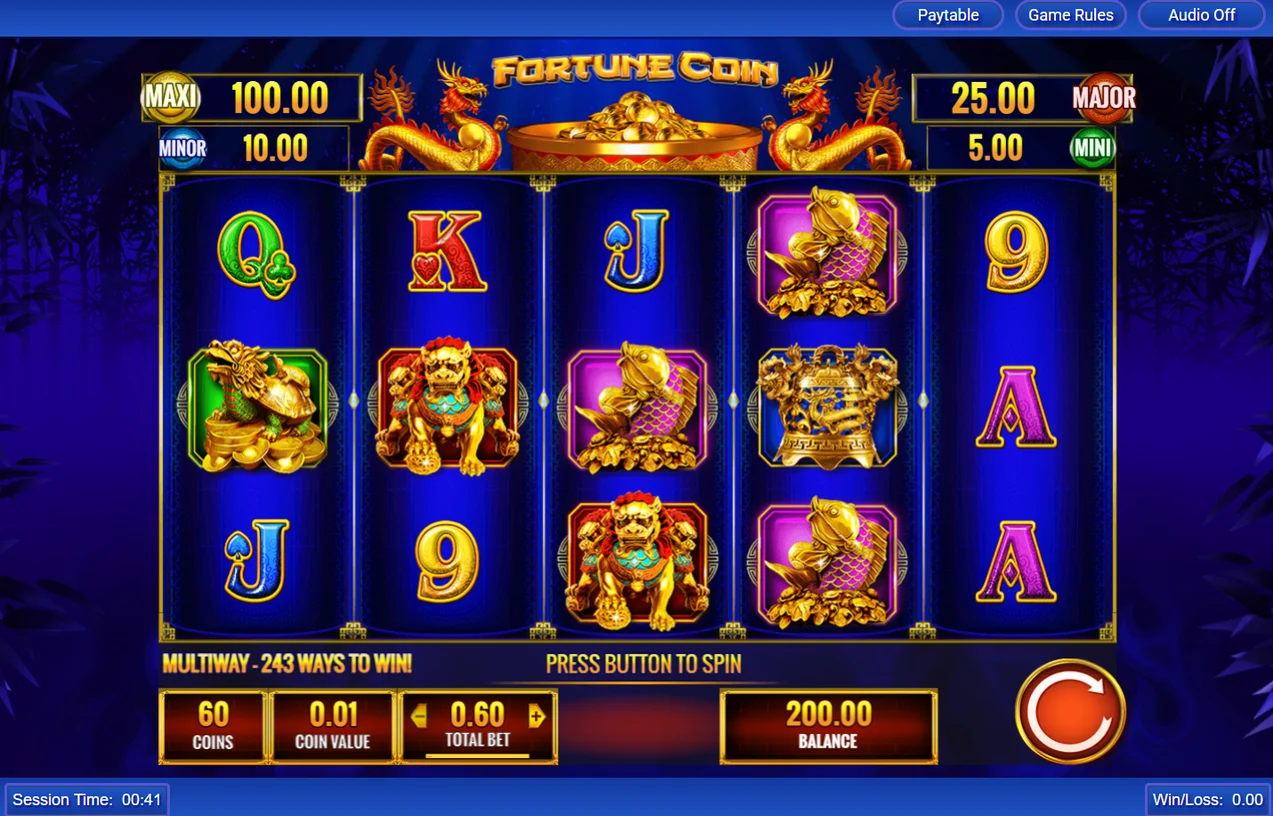
We review Fortune Coin and other IGT titles the same way we review any slot — for mechanics, math, and fit. But a review site that only talks about hit rates and multiway structures is missing half the picture. Fortune Coin runs on a 243-ways format with a low to medium volatility profile, and even a moderate volatility game can produce long stretches without a meaningful win. That's not a flaw in the game; it's how variance works, and it's exactly why bankroll planning matters more than which slot you pick.
In Canada, gambling is regulated provincially, not federally. If you're playing through a site licensed for Ontario, the Alcohol and Gaming Commission of Ontario (AGCO) sets the rules operators must follow, including mandatory self-exclusion tools and advertising limits. In British Columbia, the Gambling Policy and Enforcement Branch (GPEB) plays a similar oversight role for provincial gambling activity. In Quebec, Loto-Québec operates and regulates gambling directly, including its online platform Espacejeux. Which body applies to you depends on where you live and where you play — it's worth knowing before you deposit, not after.
Age requirements also differ by province. The general minimum across most of Canada is 19, but Alberta, Manitoba, and Quebec set the threshold at 18. This isn't a formality — it's enforced at the account verification stage by every licensed operator, and it applies regardless of which slot or casino brand you're using.
None of this changes what Fortune Coin is as a game. It changes how you should approach playing it: with a fixed budget, a sense of the time you're setting aside, and an understanding that the coin-triggered bonus feature and free spins are designed to be occasional, not guaranteed.
Tools, limits, and where to find real support
Every licensed Canadian operator is required to offer some combination of deposit limits, loss limits, session time reminders, and self-exclusion. These aren't hidden in fine print — they're usually in an account or 'responsible gambling' settings tab, and setting them before you start playing Fortune Coin, or any slot, takes a few minutes.
Self-exclusion is worth understanding specifically. In Ontario, AGCO-regulated operators connect to a centralized self-exclusion program that can apply across multiple sites, not just one. Loto-Québec runs its own self-exclusion process for Espacejeux and physical venues in the province. GPEB oversees similar mechanisms in British Columbia. If you exclude yourself through one of these programs, it's meant to be a real barrier, not a suggestion — reputable operators do not let excluded accounts back in through a side door.
If gambling has stopped feeling optional, or if you're chasing losses rather than treating play as entertainment, provincial and national resources exist independently of any casino or provider. The Canadian Centre for Substance Use and Substance and Addiction Program, along with provincial helplines connected to AGCO, GPEB, and Loto-Québec, offer confidential support that isn't tied to any operator's business interests.
We're a review site. We don't operate casinos, and we don't have a stake in whether you keep playing Fortune Coin or stop entirely. When we link to a partner casino elsewhere on this site, that relationship is disclosed, and it has no bearing on the information here — the regulatory contacts and limit-setting tools we mention are the same ones you'd find without ever visiting us.
Age restrictions and where they apply
Legal gambling age in Canada is 19 in most provinces and territories, and 18 in Alberta, Manitoba, and Quebec. This applies to Fortune Coin the same as any other slot, real-money or demo mode included where age-gating is enforced by the operator. Verification happens at account setup, and it's checked again if you attempt withdrawals, so there's no practical way around it on a licensed platform. If you're unsure which threshold applies to your province of residence, check with the operator directly before assuming — the difference matters legally, not just as a formality.